
Good wood
Save some trees and use wood that's rescued, reclaimed or pre-loved. There's a lot of it out there

Last week’s story was meant to fan out into tips for using salvaged or waste wood, but there was just too much to say about the massive tree at Tipping Point East, and then, too many good tips for them solely to be an add-on.
So here they come in their own standalone edition: ideas and advice for using pre-loved, rescued or ‘imperfect’ timber in your home and when renovating. And if you’re picturing c2010 shabby chic patchwork cabinetry and distressed finishes, hold tight, you’re in for a surprise...
What is ‘waste’ wood? There are broadly three sources:
- wild wood
No, not the early-90s Paul Weller album, but the wood from non-cultivated trees of various types that have died naturally or become diseased and felled as a result. This includes the wood from trees pollarded by local authorities or removed for land development; typically, they get chipped and burned. Find out more about the first type here in this little Instagram reel I made. You can read about the other type below.
- off-cuts
Industry by-products that, unless salvaged, will generally be incinerated for use as biomass, the pros and cons of which are a topic for a whole other post. Increasingly, this is being diverted from that route by producers of secondary materials.
- wood salvaged from other projects and buildings
This is potentially the most accessible to the average renovator, available from a multitude of salvage yards, online and IRL. It may even come from your own home.
Kitchen cabinetry
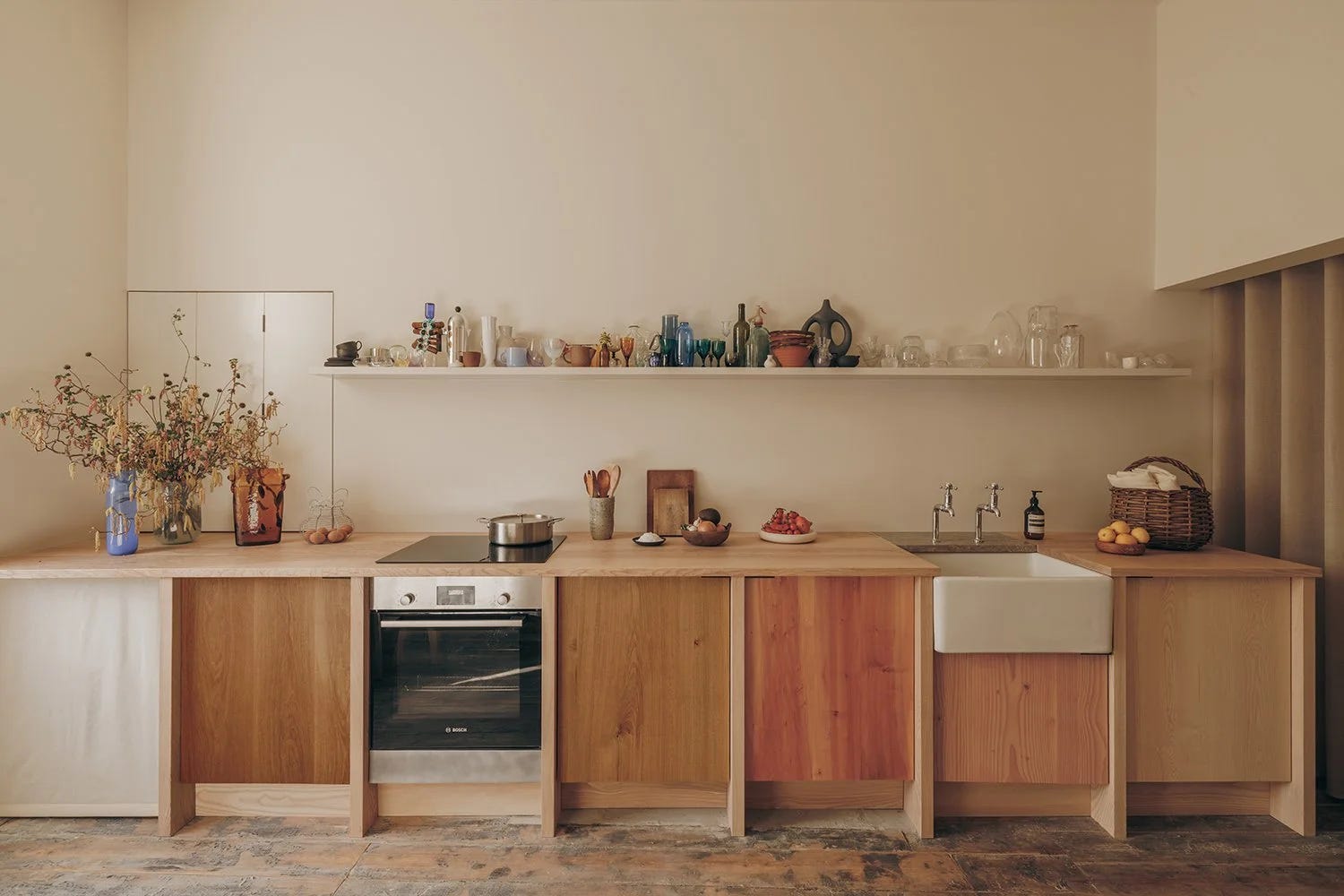
When our brains get into a pre-renovation frenzy of Pinterest boards, it’s easy to succumb to the idea that the perfect kitchen is one where everything matches. Often you’ll be living with a space that doesn’t function well and which was inherited and just pisses you off daily. Conformity can feel like the answer. But let the Edinburgh home of glass artist, Juli Bolaños-Durman, who works with foraged and waste materials serve as a beautiful advert for challenging that potentially wasteful idea. The artist’s own reuse ethos was central to her brief to designers, The Architecture Office and joinery and furniture makers, Studio Silvan. The latter used surplus materials from previous projects, making cabinet fronts with mismatched woods – brown oak, oak, cherry, douglas fir, and ash – and it’s precisely the variation in tone that makes it so beautiful.
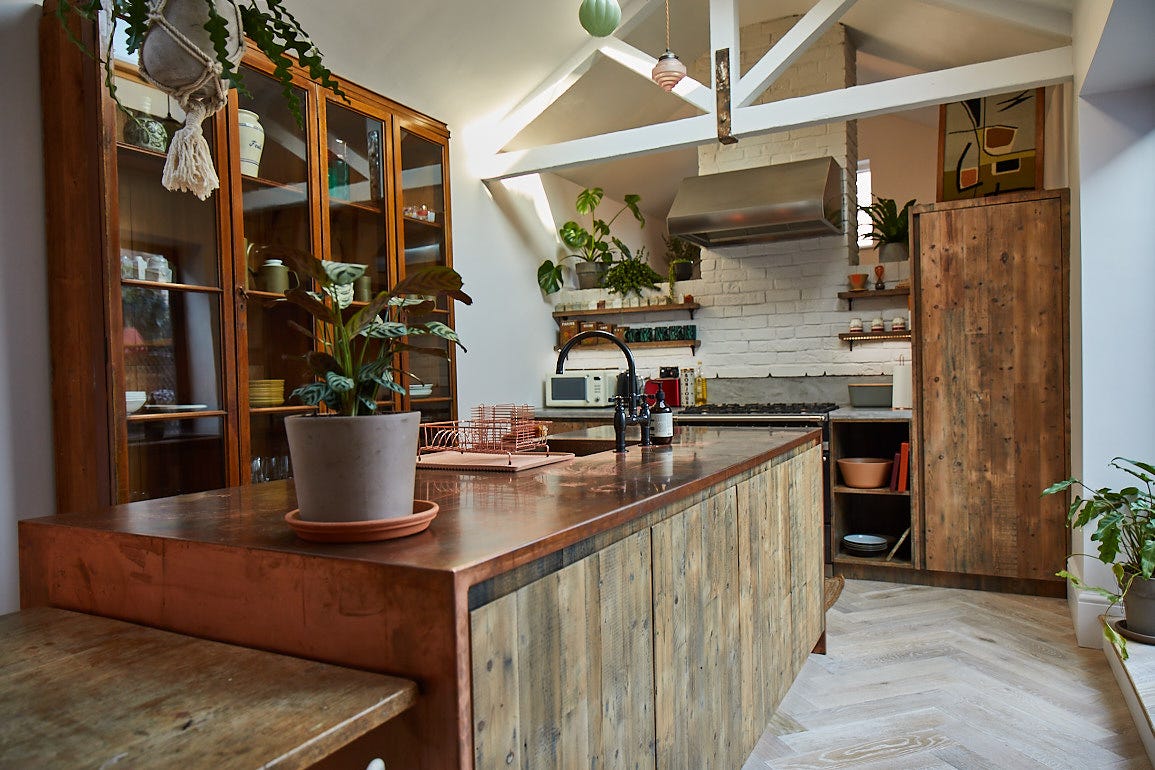
The Main Company, in north Yorkshire, regularly designs kitchens using salvaged wood. Here’s one: the cabinets are made from reclaimed pine and the mahogany and glass cabinet once stood in The British Library. The company also sells ex-display, ready-made designs – and it’s always worth asking kitchen design studios about this.
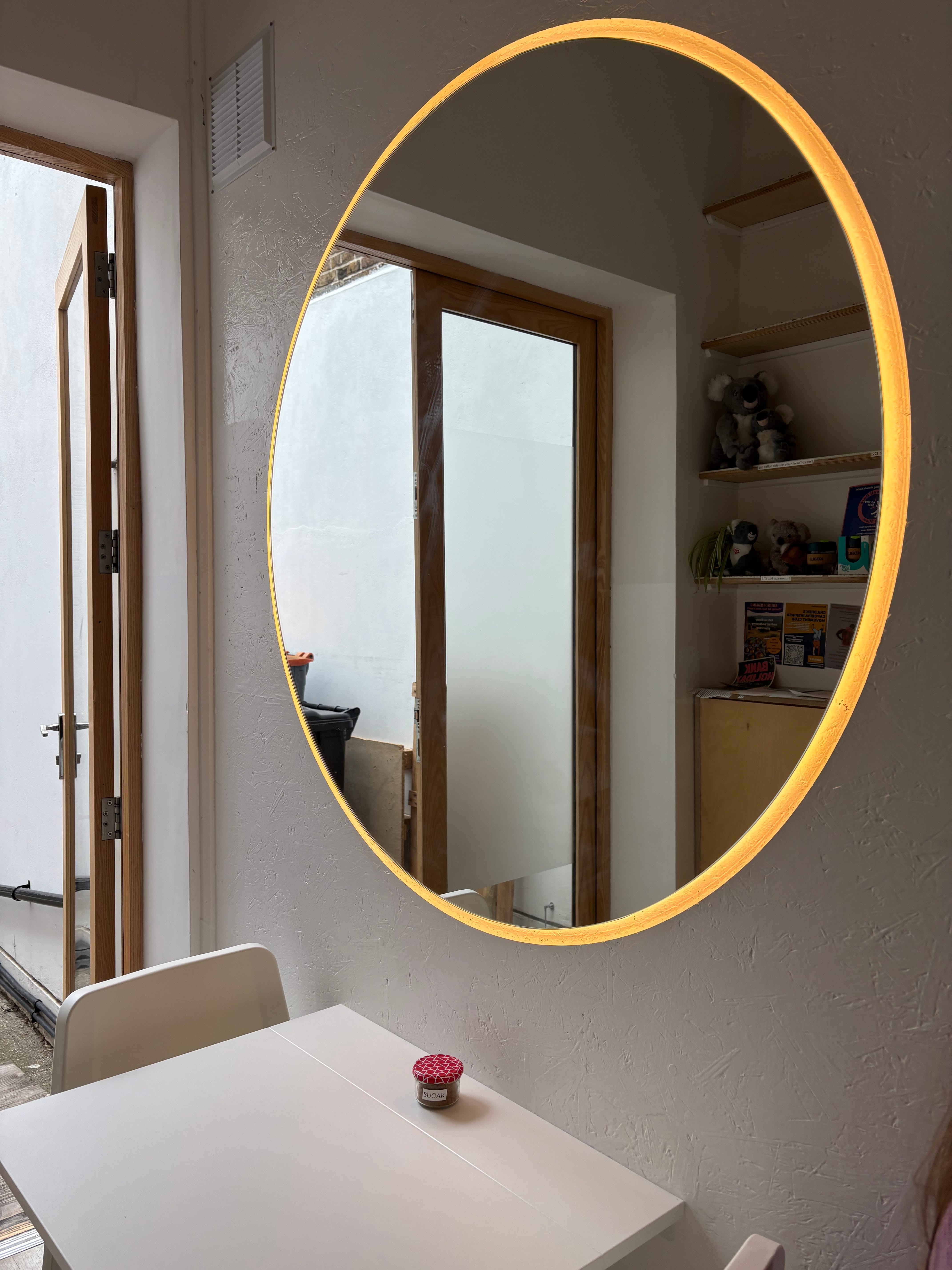
Now for the budget version: chipboard. Or, more accurately, OSB board. This super sturdy, water-resistant material (see below) is is made from chipped waste wood bound together with resin. Take a closer look at the surface in the close-up.
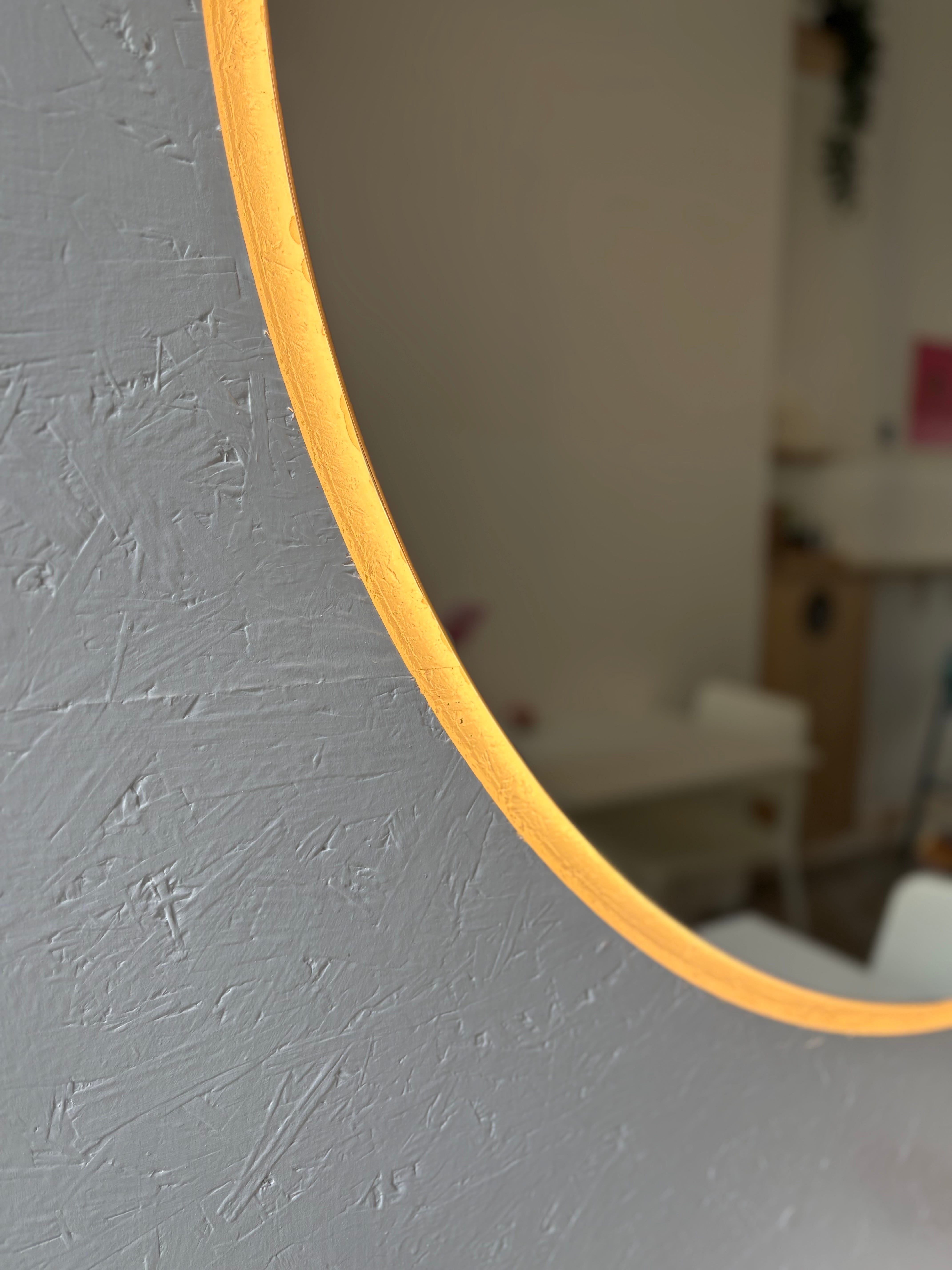
To avoid resin with added formaldehyde, look out for West Fraser’s SterlingOSB Zero. It’s widely available in builders’ merchants including Travis Perkins and Selco.
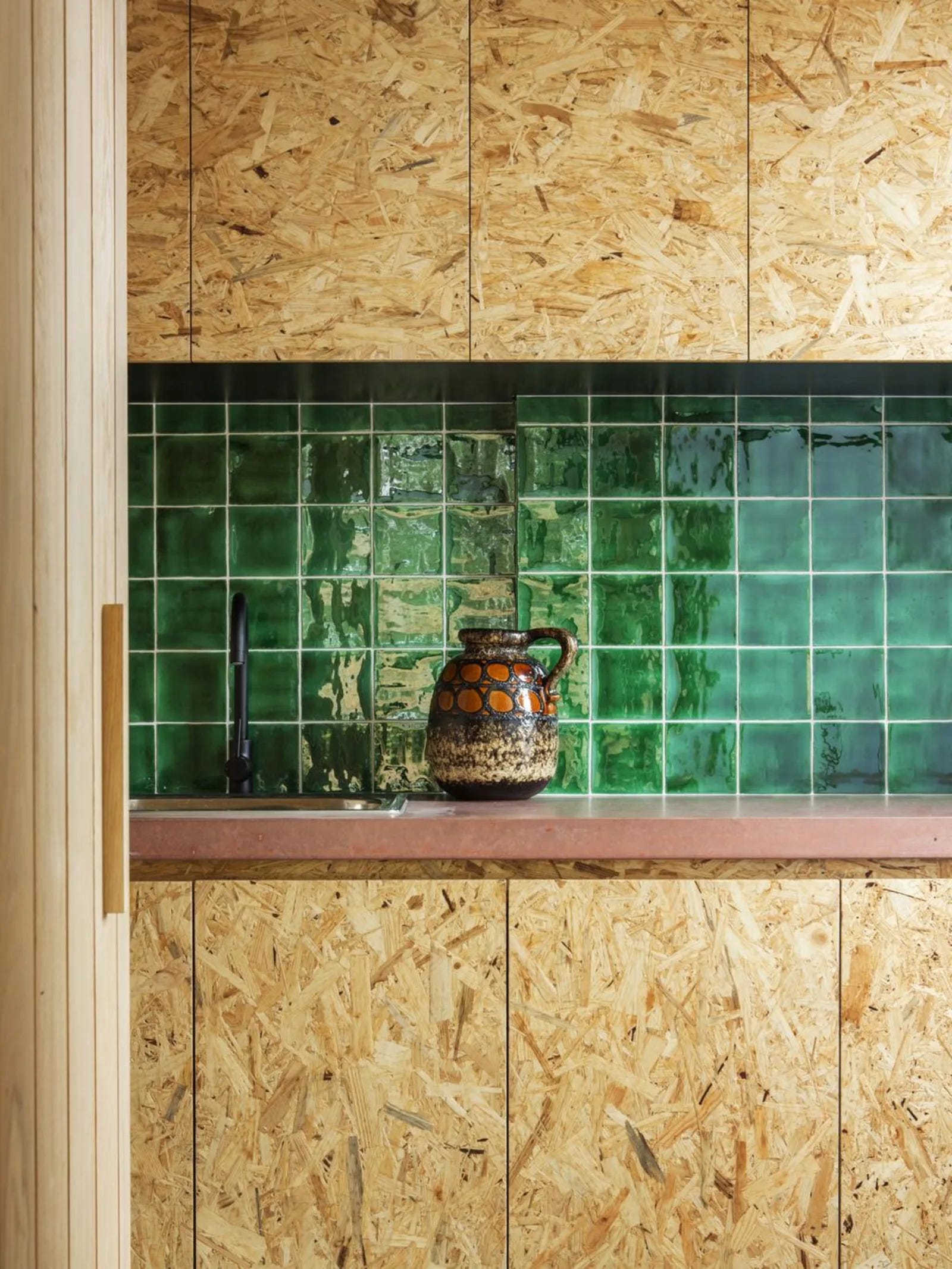
There are guides online for painting this surface if you’re DIYing; the right type of paint is important for a swish and durable finish.
Unpainted but strategically coated bare OSB can also look beautiful. Be aware it can easily turn orange with the wrong topcoat (I speak from personal experience of varnishing an off-cut to use as a desk and resenting its ginger tones until I painted over the top). So do some testing. That said, in the right context, warm tones can really work (see below). Also, ensure you choose the type of OSB board that is moisture-resistant (usually OSB3).
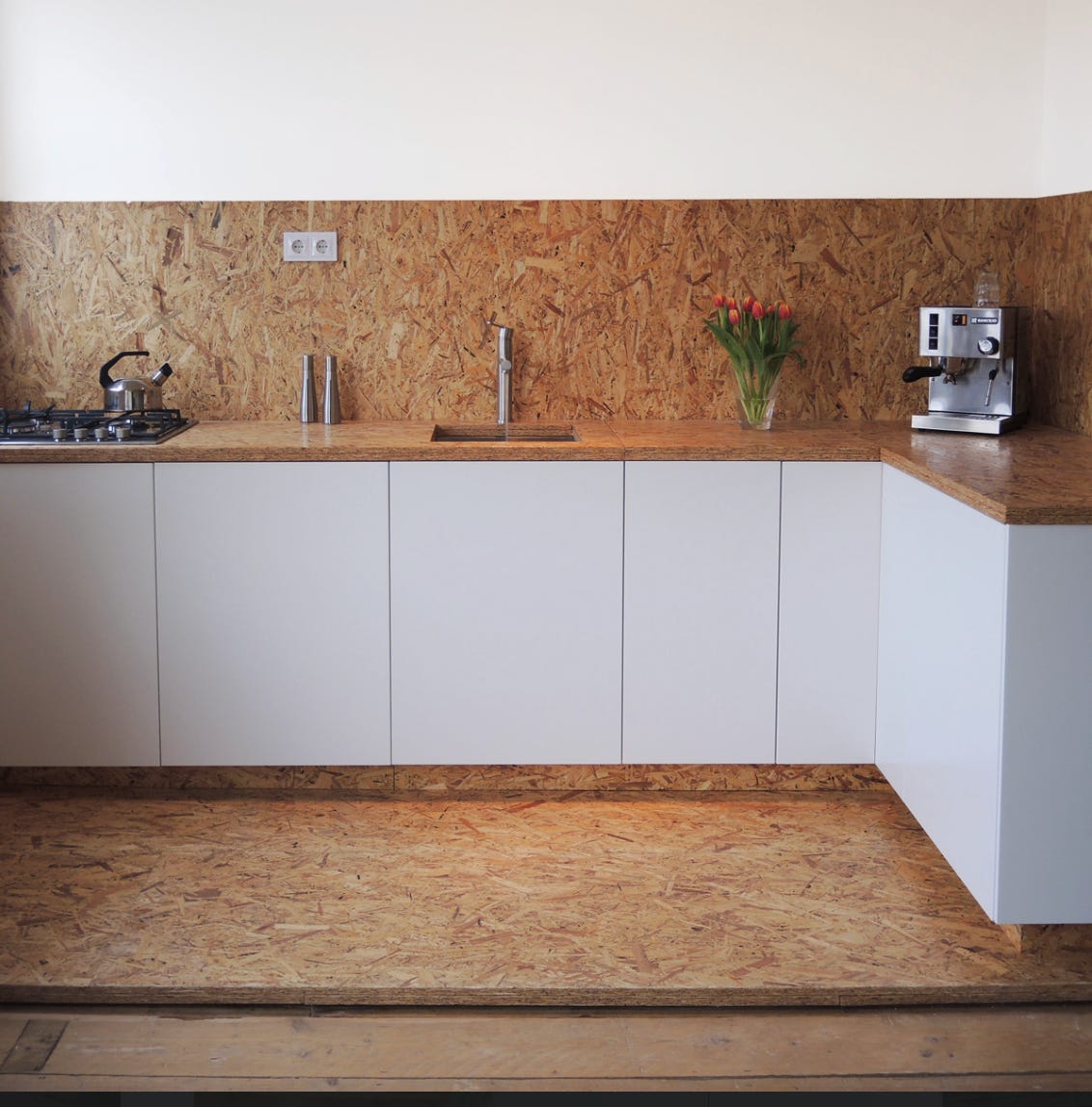
You can also use OSB for worktops and even flooring. It’ll save you an absolute packet and, done right, look amazing, too.
Pallets
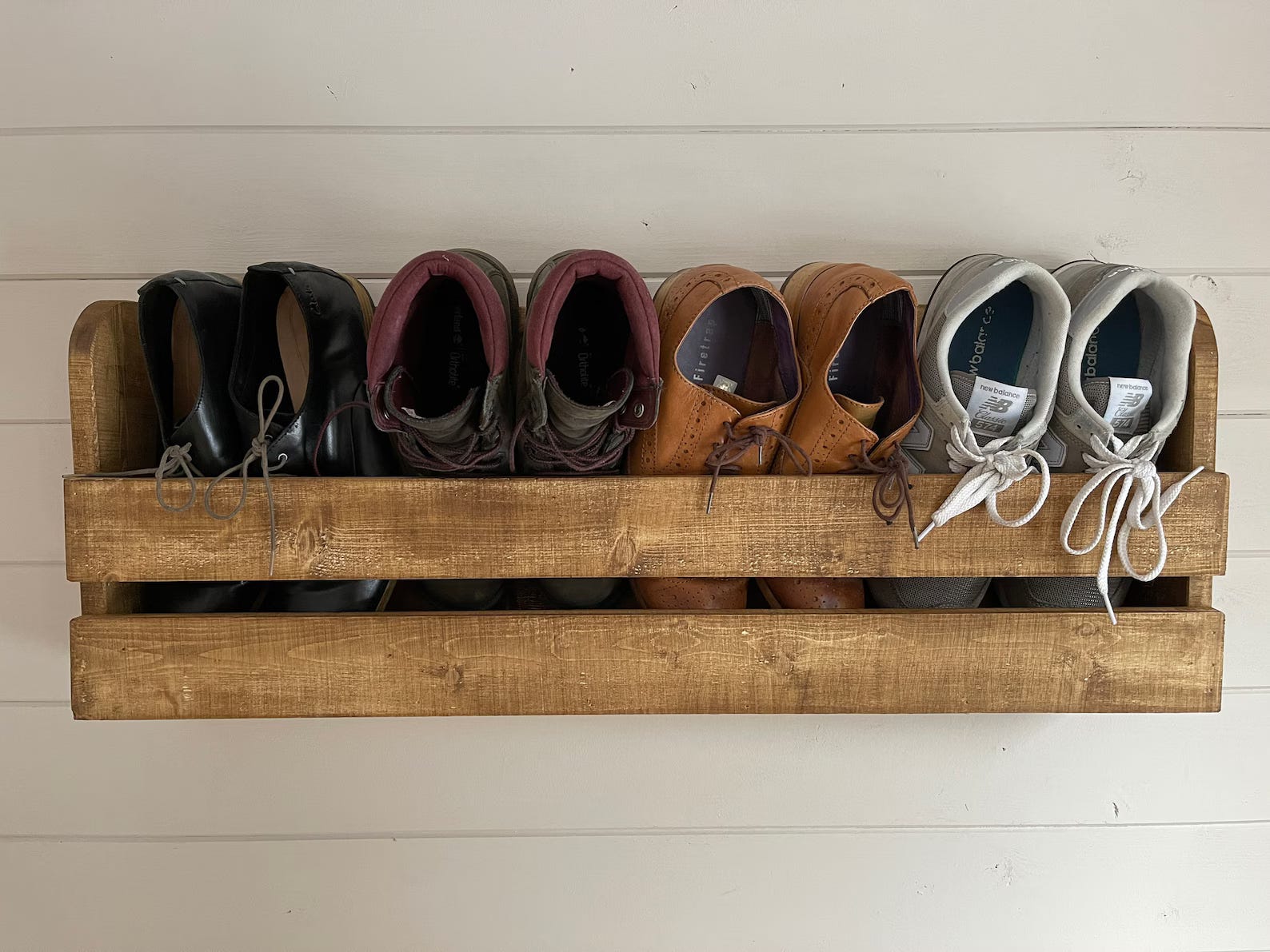
Think of furniture made out of pallets and you’ll probably picture something that, well, still looks quite a lot like a pallet. Which can really work. But if that’s not your bag, think more along the lines of this shoe holder. It’s all about those curved corners and the finish. Painting would further disguise.
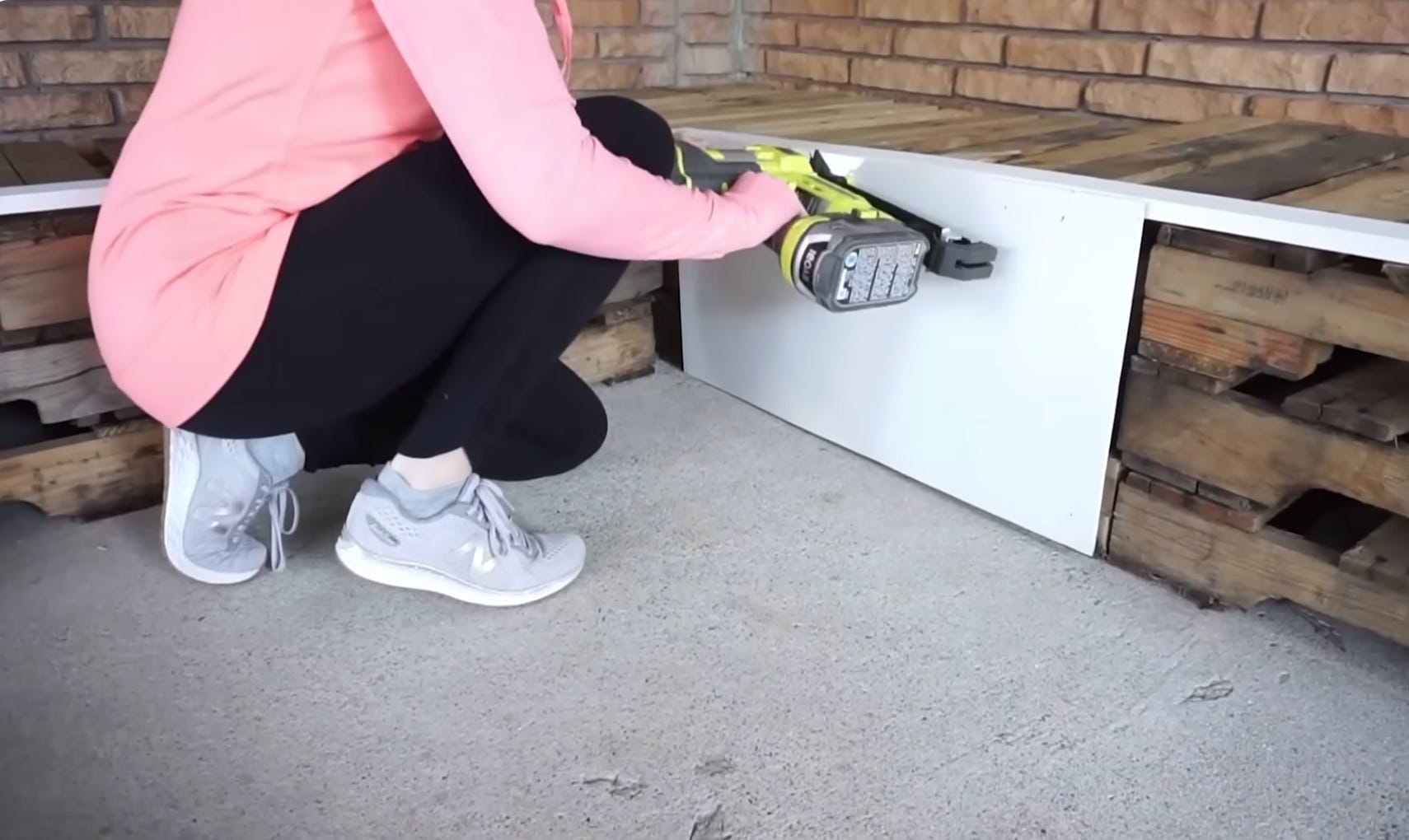
Cladding a pallet structure with a sleeker top surface – perhaps Foresso, plywood or even painted OSB – removes the pallet vibe entirely. Check out the screenshot below from a Hometalk YouTube about making a garden corner sofa to see how this might look (but use your imagination to improve the aesthetics…).
It’s important to be aware, with pallets, that you should know their provenance. Why? A pallet used to transport food may have had spillages that could lead to mould. And cracked, split or flaking wood can be an indication of rot. Don’t use. Most important of all, check the pallets for an ‘HT’ stamp required by law to confirm they have been heat-treated, rather than treated with methyl bromide, a toxic pesticide now banned in many countries that could be present on older pallets – these will have an ‘MB’ stamp.
Timber terrazzo
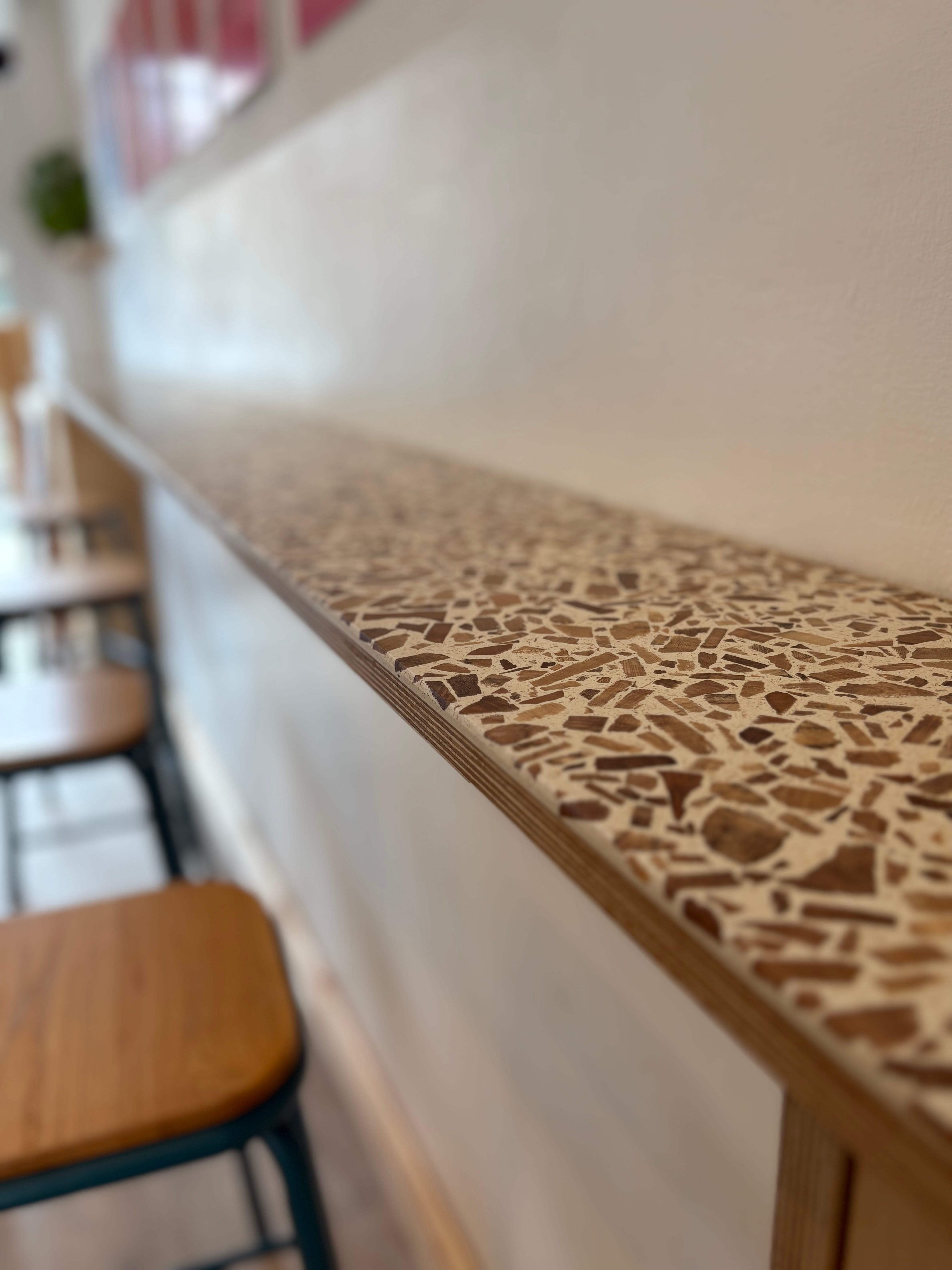
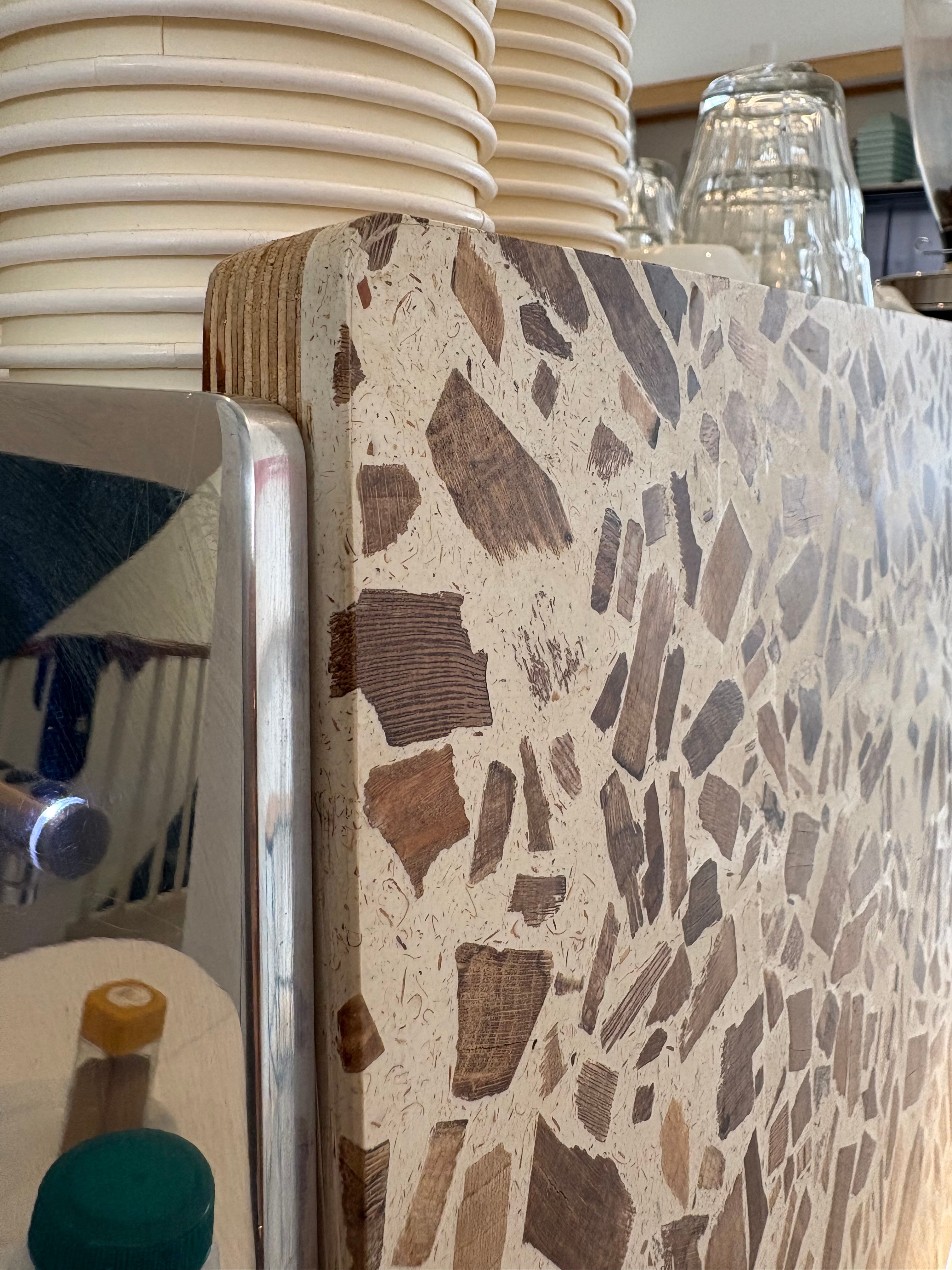
I fell in love with this sheet material, made by Low Carbon Industrial (formerly Foresso, which is now just the name of this product), when I interviewed architect Kieran Hawkins of Cairn a couple of years ago about his sustainable renovation of a London Victorian terrace.
It’s made from wood offcuts and shavings, from a furniture company close to the company’s HQ in Birmingham, and combined with plaster waste, from a nearby bronze foundry, resin and pigment, set onto birch plywood.
Use it for worktops, shelves, splashbacks and floors.
Reclaimed scaffold boards
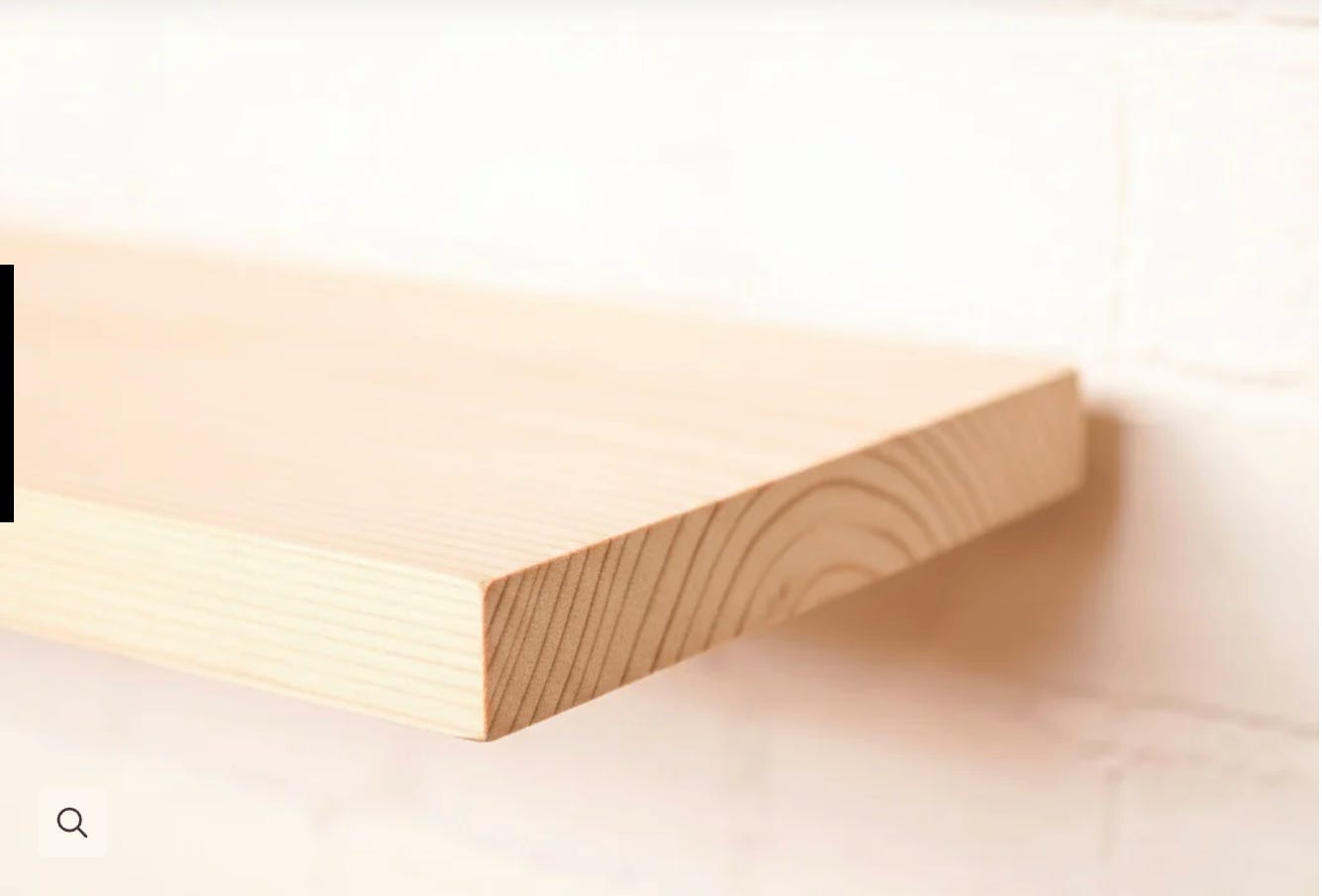
Wait - hear me out. You might have a mental image of scaffolding boards in a rustic or industrial setting, used as shelves, tabletops or worktops. And, yes, they work brilliantly in this context. But they can also be planed and honed for an entirely different, cleaner-lined look, either by you or bought this way from somewhere like The Scaff Shop.
Pre-loved doors
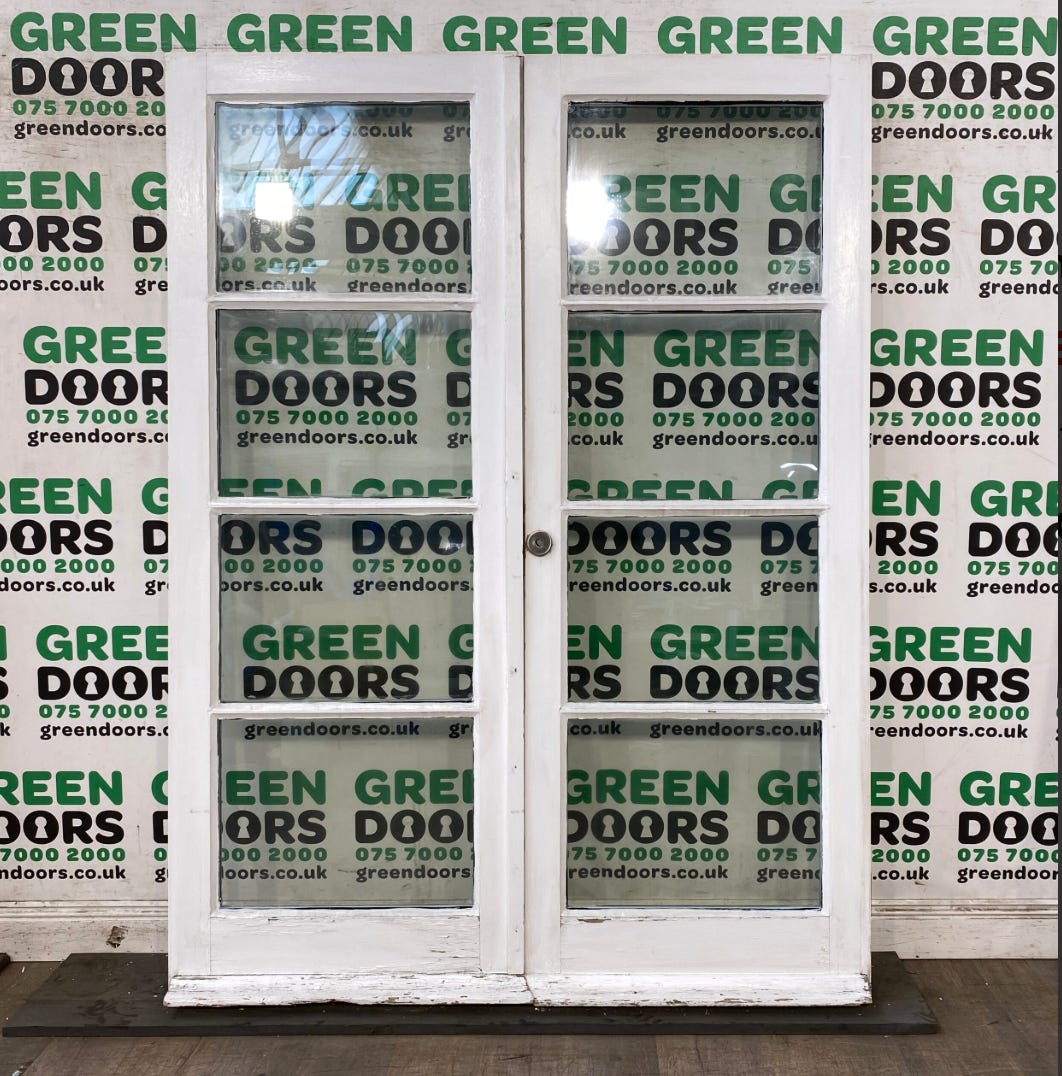
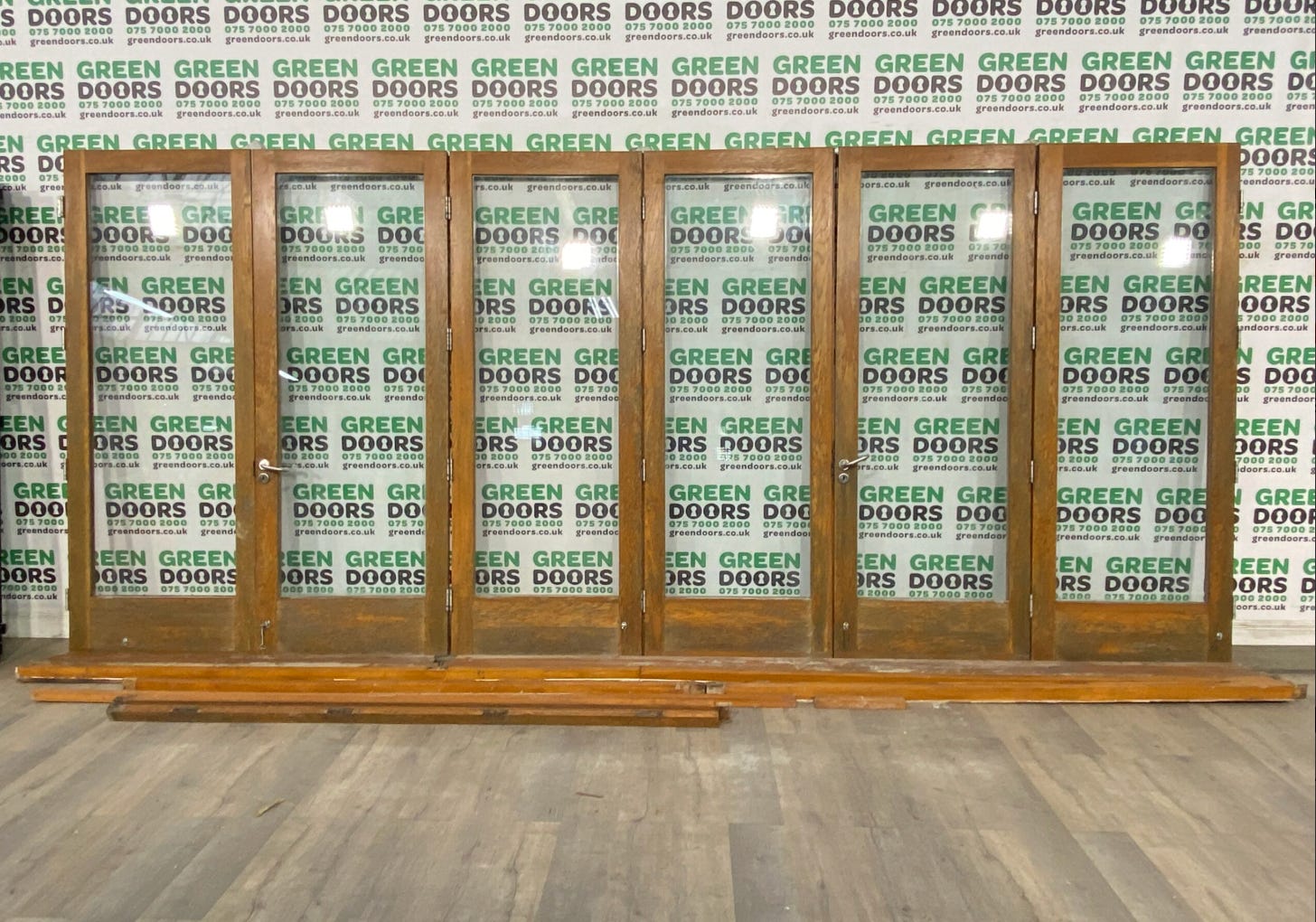
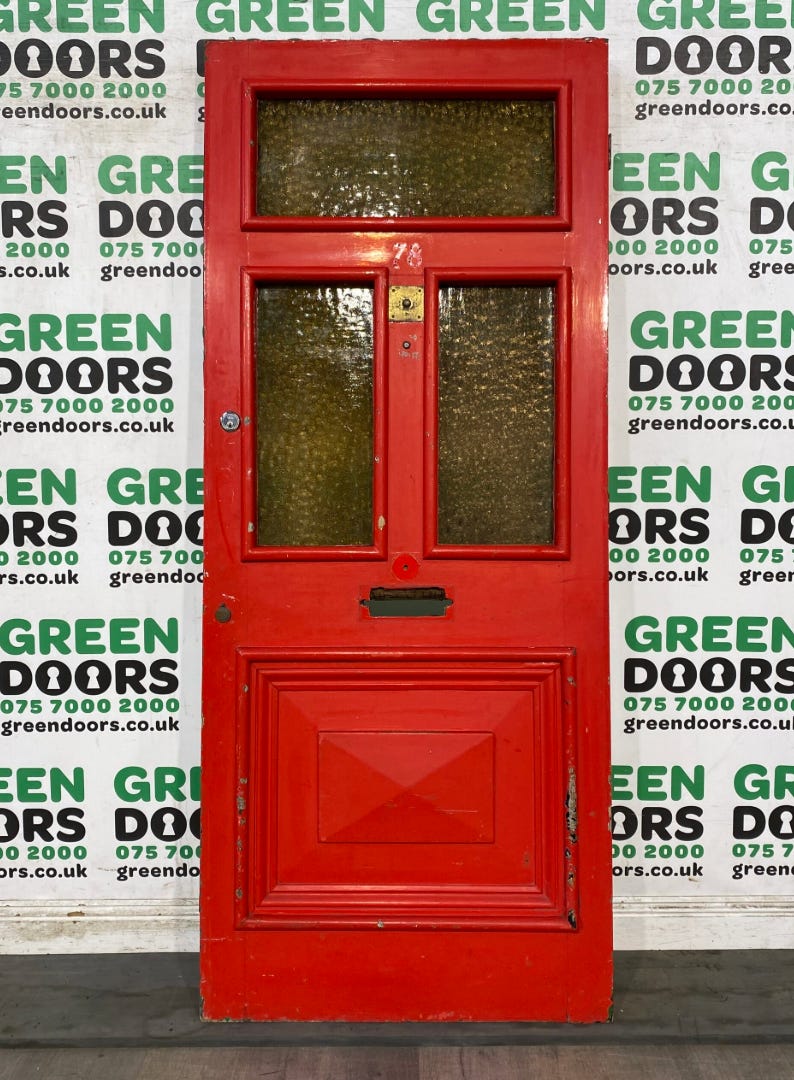
Some of the VAT-exempt stock sold by Green Doors is brand new but the casualty of a mis-measurement. Much is also old, removed from period properties (they’ll come and collect nationwide in many cases for free). Buying doors and windows generally involves a substantial outlay but you significantly reduce that by sourcing secondhand from a specialist retailer.
Working with secondhand architectural materials again will often require a material-first mindset: source from what already exists rather than buying into a new demand/supply chain. Part of this is being ready to embrace some defects and necessary remedial work. You’ll still save money (and trees). A few highlights from their current stock:
Old and rescued wood furniture
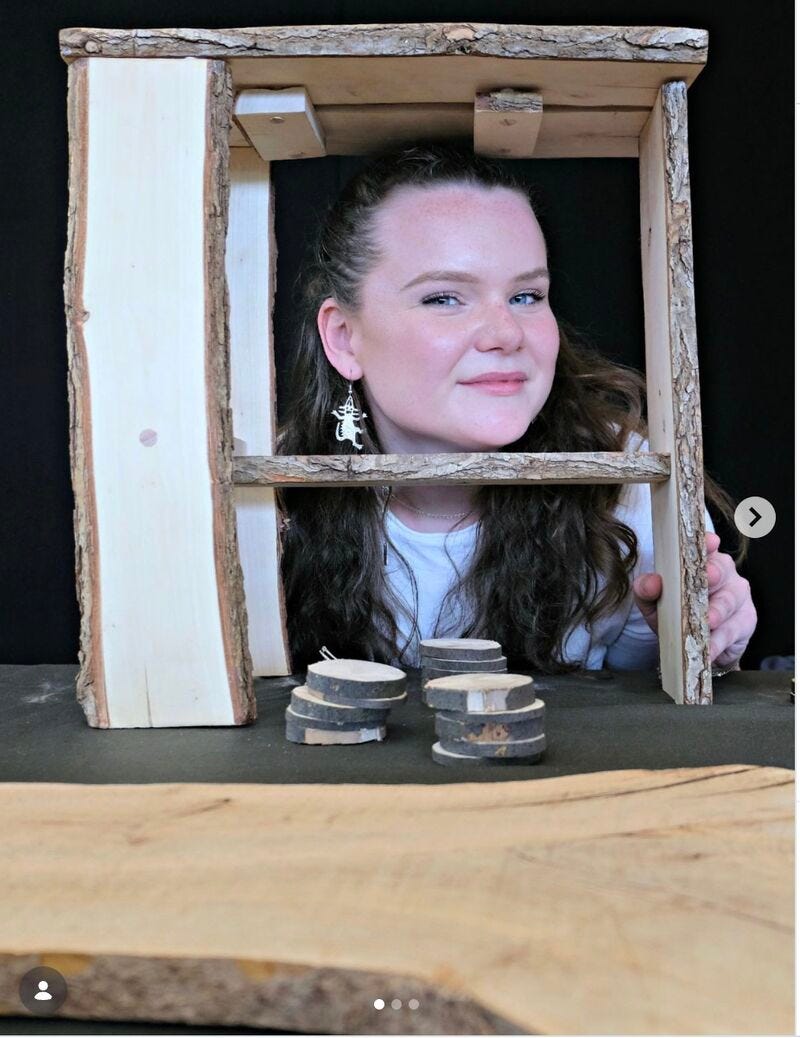
Now for something that’s - so far - still more theoretical food/wood for thought to get you looking at tree branches differently). When I say ‘rescued wood furniture’, I mean ‘rescued wood’ furniture. This is newly made pieces that use wood that has been diverted from incineration after felling or tree surgery. I wrote about the former last week. This week, meet graduate furniture designer, Izzy Kelly (above), who I encountered when she was a panellist at ‘Waste: The Raw Material of The Future’, a talk at this year’s Surface Design Show, hosted by Katie Treggiden
Kelly, part of the GREEN GRADS initiative, noticed that when trees close to her college studio were chopped down or pollarded, the branches and logs were chipped or incinerated and that London councils alone chop down more than 5,000 trees annually. Also that the UK is the third biggest importer of timber globally while simultaneously being one of the most nature-depleting countries in the world. Kelly’s collection, Fallen Furniture (pictured), is the result of relationship-building with tree surgeons and local councils, who delighted for her to take this timber off their hands.
Phineas Harper, founder of Architecture of Repair, has also used found wood in visible furniture repair.
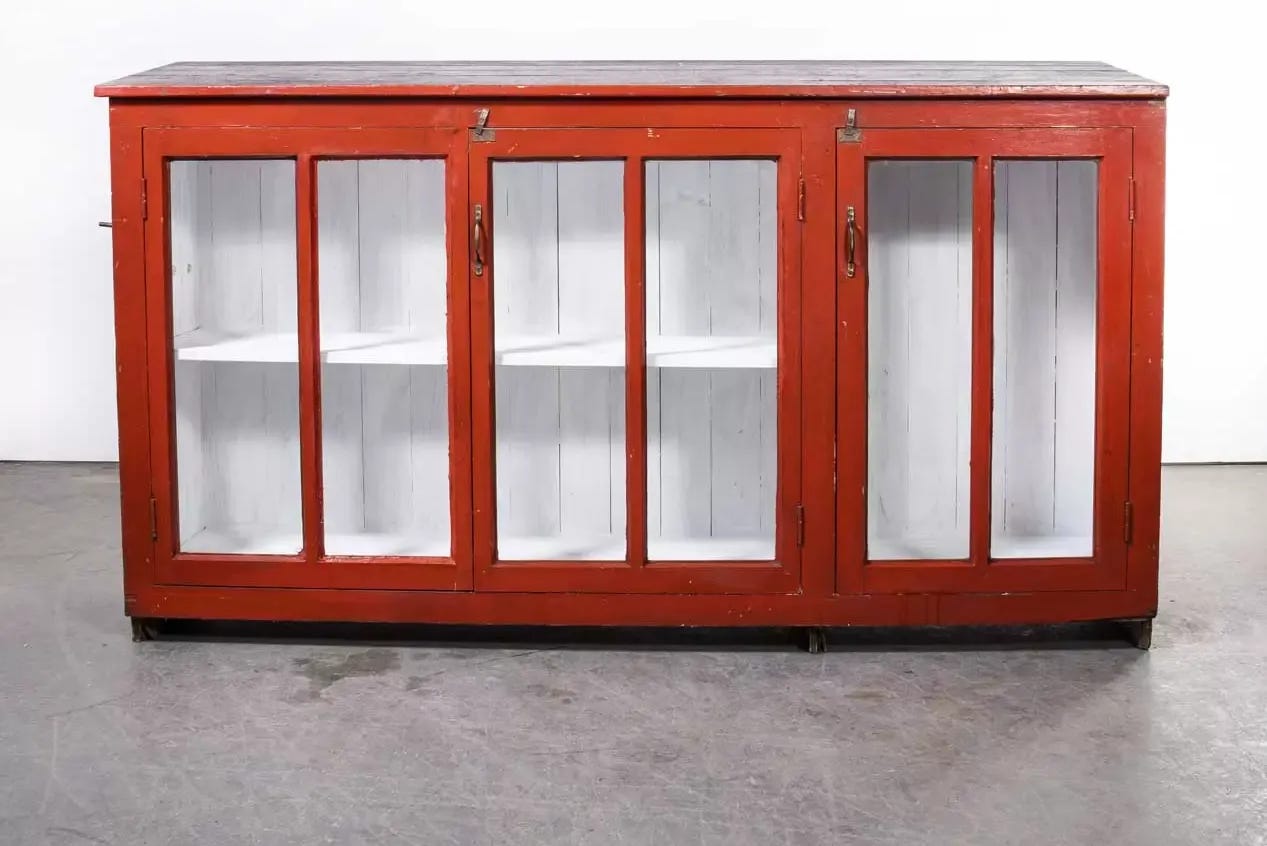
It’s such an obvious one it’s almost not worth mentioning that secondhand wooden furniture is endlessly versatile. Yet it’s still worth highlighting is that these pieces can stand in for many things we can automatically think we need to buy new or have built… bathroom vanity units, wall cupboards, coat storage, kitchen cabinets and more.
The beautiful - and huge - 1960s fireman’s cabinet pictured measures 211cm wide and would make for practical and pretty kitchen storage as part of a fitted or a freestanding kitchen. It’s £975, which is a lot of money. But the average cost of enough mid-range cabinets to fill your whole kitchen is likely to be between £3-6,000+.
One of the best places I’ve been this year is the Sunbury Antiques Fair (part of a network of five recurring events), which I wrote a bit about on Instagram.
If you’re in the UK, or visiting the UK, you can find more approved regular antiques shows around the country on the International Antiques and Collectors Fairs (IACF) website.
Boost garden beds and reduce carbon emissions with biochar
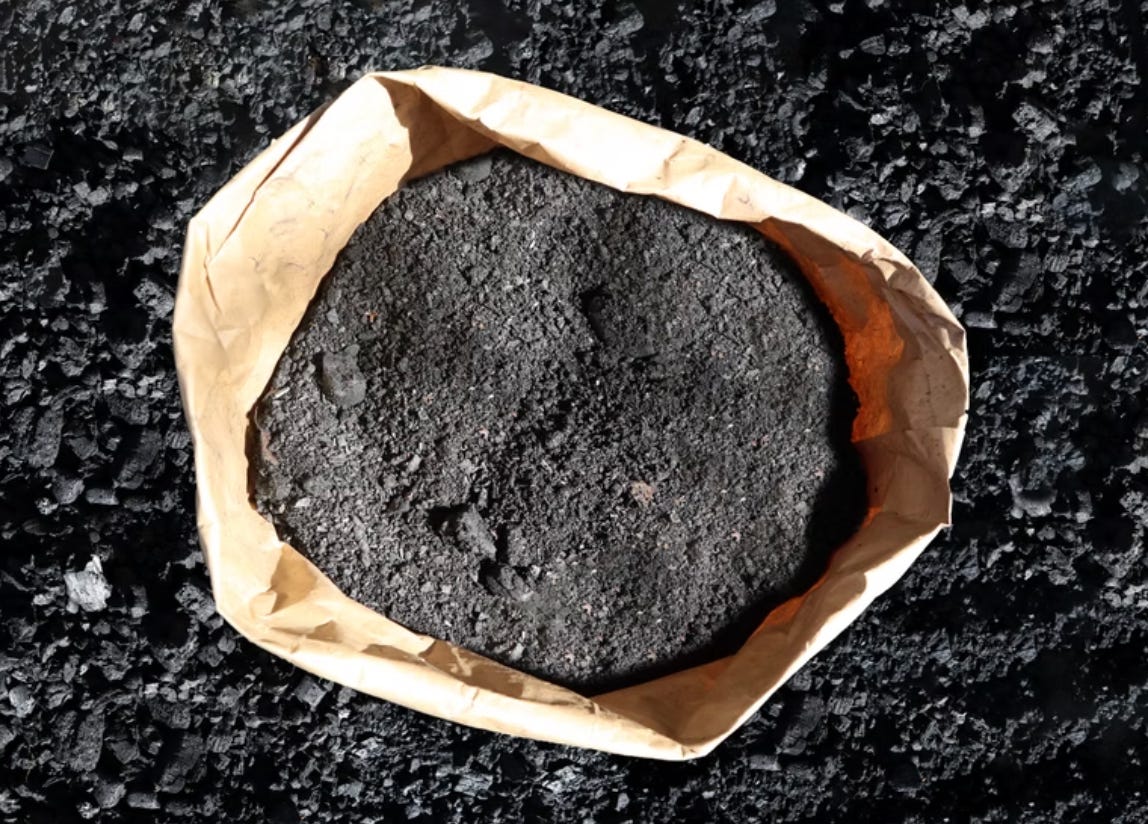
Improve the health of your plants and remove CO2 from the atmosphere by mixing biochar with your soil. Biochar is specially burnt woody matter that’s been heated in a low oxygen environment. If you want to understand the technicalities, this RHS piece is helpful.
A single application of this soil improver (there are a few different varieties that do slightly different things) can last for hundreds, even thousands of years as biochar doesn’t decompose easily. This is what allows it to store carbon. The RHS is undertaking research into how effective it may also be at reducing the release of methane and nitrous oxide from compost heaps into the atmosphere. Pyrolysis, the burning technique behind biochar does not pollute, unlike incinerating wood as a biomass fuel.
Why not just buy new?
And to conclude, a side thought: wouldn’t you love to see something like Cambium Carbon Smart Wood™ in the UK and beyond? This American company targets “wood impacted by the four Ds: disease, decay, disaster, and development”, they explain. “Instead of wood entering landfills, we partner with local arborists and millers to rescue and upcycle it.” Come on. Someone make it happen!
Got opinions on what you’ve read? Questions? Tip-offs? Suggestions? Share them below!
You might also enjoy:


Excellent advice. Almost all our furniture is second hand, and we have a very eclectic mix of styles etc, but that's much more interesting than everything matching.
This is giving me such a desire to do a kitchen!